Lakes cover approximately 3% of the earth’s land surface and hold nearly 90% of all liquid freshwater accessible to life on land. They sustain fisheries, provide drinking water to billions, regulate regional climates, and support ecosystems of extraordinary biodiversity. From the ancient depths of Lake Baikal to Africa’s sprawling Rift Valley lakes, each of the world’s greatest lakes carries its own geological history, ecological identity, and cultural significance.
This list ranks the world’s ten longest and largest lakes by surface area — the most widely accepted standard — while noting each lake’s length, depth, and the nations that share its shores.
| Rank | Lake | Location | Area (km²) | Length (km) | Max Depth (m) |
| 1 | Caspian Sea | Europe/Asia | 371,000 | 1,199 | 1,025 |
| 2 | Lake Superior | USA/Canada | 82,414 | 616 | 406 |
| 3 | Lake Victoria | Uganda/Tanzania/Kenya | 68,800 | 322 | 84 |
| 4 | Lake Huron | USA/Canada | 59,596 | 331 | 229 |
| 5 | Lake Michigan | USA | 57,753 | 494 | 282 |
| 6 | Lake Tanganyika | Tanzania/DRC/Burundi/Zambia | 32,893 | 676 | 1,470 |
| 7 | Lake Baikal | Russia | 31,722 | 636 | 1,642 |
| 8 | Great Bear Lake | Canada | 31,153 | 320 | 413 |
| 9 | Lake Malawi | Malawi/Tanzania/Mozambique | 30,043 | 579 | 706 |
| 10 | Great Slave Lake | Canada | 27,200 | 480 | 614 |
1. Caspian Sea — 371,000 km²
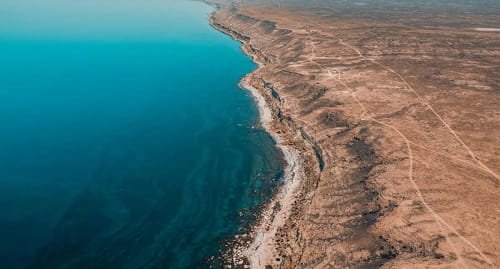
The Caspian Sea is the world’s largest lake by every measure — covering 371,000 square kilometres between Europe and Asia, stretching 1,199 kilometres from north to south, and bordering five nations: Russia, Kazakhstan, Turkmenistan, Azerbaijan, and Iran. Despite being called a “sea,” it is technically an enclosed inland body of water with no outlet to the ocean, making it the world’s largest lake by the strictest geographical definition.
The Caspian has saltwater — approximately one-third the salinity of ocean water — reflecting its ancient origin as a remnant of the Paratethys Sea that once connected to the world’s oceans millions of years ago. It reaches depths of 1,025 metres and holds more water by volume than all five North American Great Lakes combined. The Caspian is world-famous as the source of beluga caviar — the Caspian sturgeon has been fished here for centuries, though overfishing has pushed the sturgeon to near extinction and strict international fishing quotas now apply. Significant oil and gas reserves beneath its floor have made the Caspian a geopolitically contested body of water among its bordering nations.
2. Lake Superior — 82,414 km²
Lake Superior is the world’s largest freshwater lake by surface area — covering 82,414 square kilometres on the border between the United States and Canada. The northernmost and westernmost of the five North American Great Lakes, it contains approximately 10% of all the world’s surface freshwater and holds enough water to flood the entire North and South American continents to a depth of 30 centimetres.
Superior is 616 kilometres long, 257 kilometres wide, and reaches a maximum depth of 406 metres. Its vast size creates its own regional weather system — generating lake-effect snowstorms in winter that can dump metres of snow on surrounding communities in hours. The lake is famous for its cold, crystal-clear water, dramatic shipwreck history (over 300 documented shipwrecks lie on its floor), and the legendary November storms that sank the SS Edmund Fitzgerald in 1975. Major cities including Duluth in Minnesota and Thunder Bay in Ontario sit on its shores.
3. Lake Victoria — 68,800 km²
Lake Victoria is Africa’s largest lake and the world’s largest tropical lake — covering 68,800 square kilometres across three East African nations: Tanzania, Uganda, and Kenya. It is one of the primary sources of the Nile River, with the Victoria Nile flowing northward from its shores toward Sudan and Egypt. The lake plays a central role in East Africa’s ecology, economy, and history — supporting the livelihoods of over 30 million people living along its shores.
Despite its enormous size, Lake Victoria is surprisingly shallow — averaging just 40 metres deep with a maximum of 84 metres — making it one of the shallowest of the world’s great lakes relative to its surface area. It is home to over 200 species of cichlid fish, many found nowhere else on earth. The introduction of Nile perch in the 1950s as a commercial fish caused one of the world’s most significant freshwater ecological disasters — eliminating hundreds of endemic cichlid species through predation and competition within decades.
4. Lake Huron — 59,596 km²
Lake Huron is the second-largest of the North American Great Lakes by surface area — covering 59,596 square kilometres shared between the Canadian province of Ontario and the US state of Michigan. The lake is 331 kilometres long and 295 kilometres wide, reaching a maximum depth of 229 metres. Its shoreline is the longest of all the Great Lakes — stretching over 6,000 kilometres and encompassing more than 30,000 islands, including Manitoulin Island, the world’s largest freshwater lake island.
Lake Huron connects to Lake Michigan through the Straits of Mackinac — the two lakes share the same water surface elevation and are hydrologically considered a single lake by some scientists. The lake is infamous for its maritime disaster record — thousands of ships have wrecked on its waters over centuries of Great Lakes navigation, with Fathom Five National Marine Park alone protecting 22 wreck sites. Georgian Bay on its northeastern shore is considered one of Canada’s most spectacular freshwater sailing environments.
5. Lake Michigan — 57,753 km²
Lake Michigan is the only Great Lake located entirely within the United States — covering 57,753 square kilometres across four states: Michigan, Wisconsin, Illinois, and Indiana. At 494 kilometres long and 190 kilometres wide, it is the second largest Great Lake by volume and third largest by area. Approximately 12 million people live along its shores, including the city of Chicago — the largest city on any of the Great Lakes.
Lake Michigan’s distinctive feature is its extraordinary beach quality — the lake’s sandy shores, formed by glacial deposits, are among North America’s finest freshwater beaches and attract millions of summer visitors annually. The lake’s cold, deep waters support a thriving sports fishery including introduced Pacific salmon species. Lake Michigan has also been a major commercial shipping route since the 19th century, with the ports of Chicago and Milwaukee among the busiest Great Lakes harbours.
6. Lake Tanganyika — 32,893 km²
Lake Tanganyika holds multiple world records that make it exceptional among all lakes — it is the world’s longest freshwater lake at 676 kilometres, the second deepest lake after Baikal at 1,470 metres, the second oldest lake on earth at approximately 10 million years, and the second largest by volume. Located in the Albertine Rift of East Africa, it spans four countries: Tanzania, the Democratic Republic of Congo, Burundi, and Zambia.
The lake’s extraordinary age and isolation have produced remarkable endemic biodiversity — over 350 species of cichlid fish evolved here in complete isolation and are found nowhere else on earth. The lake is so deep that its lower layers are completely anoxic — devoid of oxygen — meaning only the upper 200 metres support life. Its name in Swahili means “the great lake spreading like a plain” — a description that captures the sense of vastness a visitor experiences standing at its narrow but seemingly endless shore.
7. Lake Baikal — 31,722 km²
Lake Baikal in Siberia, Russia, is the world’s deepest lake — reaching 1,642 metres — and the world’s oldest lake at approximately 25 to 30 million years. It is also the largest freshwater lake by volume, containing approximately 23,615 cubic kilometres of water — roughly 20% of all the world’s unfrozen surface freshwater. Designated a UNESCO World Heritage Site, Baikal is one of earth’s most ecologically extraordinary environments.
The lake is 636 kilometres long but relatively narrow — averaging just 48 kilometres in width — giving it an elongated shape that reflects the ancient rift valley it occupies. Over 3,700 plant and animal species live in and around Baikal, two-thirds of which are found nowhere else on earth. The Baikal seal — the world’s only exclusively freshwater seal species — is unique to this lake. In winter, the lake freezes over with ice thick enough to drive vehicles across, and the pressure-fractured ice creates dramatic turquoise formations that attract photographers from around the world.
8. Great Bear Lake — 31,153 km²
Great Bear Lake in Canada’s Northwest Territories is the largest lake entirely within Canada and the fourth largest in North America — covering 31,153 square kilometres at 60 degrees north latitude, just 200 kilometres south of the Arctic Circle. It is 320 kilometres long, reaches a maximum depth of 413 metres, and remains frozen for up to eight months annually.
Great Bear Lake is exceptionally remote — accessible only by plane or ice road in winter — which has preserved its waters in a near-pristine state. The lake became historically significant during World War II when uranium and radium-bearing pitchblende ore was mined from its shores at Port Radium — ore that contributed to the Manhattan Project’s atomic bomb development. Today the lake supports the small community of Déline and is known for world-class lake trout fishing in some of the cleanest cold freshwater in North America.
9. Lake Malawi — 30,043 km²
Lake Malawi — known as Lake Nyasa in Tanzania and Mozambique — occupies the southern end of Africa’s Great Rift Valley, covering 30,043 square kilometres across three nations: Malawi, Tanzania, and Mozambique. At 579 kilometres long and up to 706 metres deep, it is Africa’s third largest and second deepest lake. Lake Malawi contains more fish species than any other lake on earth — over 1,000 species of cichlid fish, representing nearly 15% of all freshwater fish species worldwide.
The lake is sometimes called the “Calendar Lake” by Malawians — 365 miles long and 52 miles wide, corresponding to days and weeks in a year. Lake Malawi National Park, covering the southern portion of the lake, was designated a UNESCO World Heritage Site in recognition of its extraordinary fish biodiversity. The lake’s warm, clear waters and remarkable fish diversity make it an increasingly popular destination for snorkelling and diving enthusiasts seeking freshwater alternatives to ocean reef experiences.
10. Great Slave Lake — 27,200 km²
Great Slave Lake in Canada’s Northwest Territories is the deepest lake in North America — reaching 614 metres — and the fifth largest in North America by area at 27,200 square kilometres. The lake is approximately 480 kilometres long and up to 109 kilometres wide, draining into the Mackenzie River — Canada’s longest river — which carries its waters northward to the Arctic Ocean.
The lake was named after the Slavey Indigenous people who have lived along its shores for thousands of years. The city of Yellowknife, capital of Canada’s Northwest Territories, sits on its northern shore. Great Slave Lake supports a significant commercial and sport fishery for lake trout, whitefish, and pike, and its frozen surface serves as an ice road highway in winter connecting remote communities that are otherwise accessible only by aircraft.
Frequently Asked Questions (FAQs)
Q: Which is the longest and largest lake in the world?
A: The Caspian Sea is the world’s largest lake by area at 371,000 km² and longest at 1,199 km. However, it is a saltwater lake. Lake Superior is the world’s largest freshwater lake.
Q: Which is the deepest lake in the world?
A: Lake Baikal in Russia is the world’s deepest lake at 1,642 metres and also holds the most freshwater by volume of any lake on earth.
Q: Which is the world’s longest freshwater lake?
A: Lake Tanganyika in Africa is the world’s longest freshwater lake, stretching 676 kilometres through four African countries.
Q: Which lake contains the most freshwater?
A: Lake Baikal contains approximately 20% of all the world’s unfrozen surface freshwater — more than all five North American Great Lakes combined.
Q: Which is the largest lake in India?
A: Wular Lake in Jammu & Kashmir is India’s largest freshwater lake, while Chilika Lake in Odisha is India’s largest coastal lagoon and Asia’s largest brackish water lagoon.

Brandon is the cheif editor and writer at WorldUnfolds.com. With a passion for storytelling and a keen editorial eye, he crafts engaging content that captivates and enlightens readers worldwide.