Cave exploration — or speleology — occupies a unique position in extreme sports: the environment itself is hostile, the dangers are multiple and simultaneous, and mistakes are extraordinarily difficult to recover from. Narrow passages that become sumps, unstable geology, toxic gases, flash floods, and the omnipresent risk of disorientation in total darkness combine to create environments where the world’s best cavers have died. This list ranks the 10 most dangerous caves in the world based on exploration fatalities, environmental hazards, technical difficulty, and the documented challenges they present.
1. Movile Cave, Romania (Toxic Atmosphere — CO₂ and H₂S)
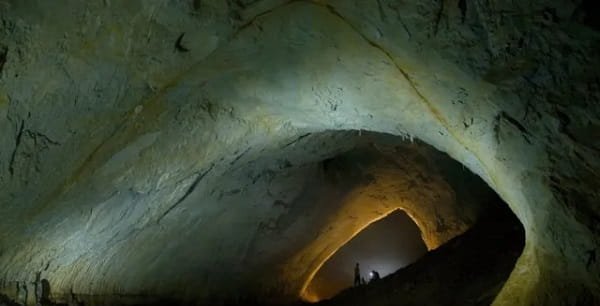
Movile Cave in Mangalia, Romania is arguably the most immediately hostile cave environment on Earth from an atmospheric perspective. Sealed from the surface for approximately 5.5 million years, it has evolved a completely isolated ecosystem based on chemosynthesis rather than photosynthesis. The atmosphere contains approximately 2% oxygen (normal air is 21%), 2-3.5% CO₂ (normal air is 0.04%), and up to 1-2% hydrogen sulphide (H₂S) — the rotten-egg smell gas that is lethal at 1,000 ppm. Only a handful of scientists have ever entered, spending no more than 5-6 hours at a time with gas detectors active throughout. The unique ecosystem — 48 endemic species including centipedes, spiders, and leeches adapted to chemosynthesis — makes it scientifically invaluable but immediately dangerous to enter.
2. Krubera-Voronya Cave, Georgia/Abkhazia (World’s Deepest Cave — 2,212 metres)
Krubera-Voronya in the Arabika Massif of Abkhazia is the world’s deepest known cave — descending 2,212 metres below the entrance in the Caucasus mountains. Reaching the deepest sections requires navigating through 52 pitches (vertical drops), multiple sumps (flooded passages requiring full cave diving equipment), extremely narrow sections, and passages with near-freezing water. An expedition to the deepest sections typically takes 3 weeks, requiring massive supply depots at intermediate camps and complete self-sufficiency underground. Multiple serious injuries and several deaths have occurred in this cave and its approaches. The depth record of 2,212m was set by Ukrainian caver Gennady Samokhin in 2012.
3. The Blue Hole, Dahab (Egypt) (World’s Most Lethal Dive Site)
The Blue Hole at Dahab in the Sinai Peninsula of Egypt is a submarine sinkhole approximately 300 metres in diameter descending to over 100 metres depth. It has earned the grim designation of the world’s most dangerous dive site, with an estimated 130-200+ diver deaths since reliable records began — earning the local nickname ‘The Diver’s Cemetery.’ The primary danger is a horizontal tunnel (The Arch) at 56 metres depth that connects the Blue Hole to open water. Inexperienced divers attempt the passage at depths exceeding the recreational diving limit (40m), run out of air, and surface fatally in the cave above. The arch is safe for experienced technical divers — but the accessibility of the site attracts divers significantly beyond their competence.
4. Nutty Putty Cave, Utah, USA (Tight Passages — Fatality Trap)
Nutty Putty Cave in Utah, USA was permanently sealed in 2009 following the death of 26-year-old caver John Edward Jones, who became stuck headfirst in a 25 cm × 45 cm passage called the Birth Canal. Despite a 27-hour rescue effort involving over 100 emergency responders, Jones could not be freed and died of cardiac arrest from being inverted under compression in the rock. The cave is now sealed with concrete with Jones’s body remaining inside as his tomb. The incident highlighted the genuine danger of ‘squeeze caves’ — systems where the passages require body compression to navigate. The cave’s name came from its putty-like walls, but its passages were genuinely lethal.
5. Provatina Cave, Greece (Deepest Open Shaft in the World)
Provatina on the island of Corfu in Greece contains the world’s deepest open shaft — a vertical free-fall drop of 400 metres that plunges from daylight into absolute darkness. The shaft is so perfectly vertical that a stone dropped from the entrance takes 9 seconds to reach the bottom. While not regularly explored, the shaft’s combination of extreme depth, water seeping down the walls, and the psychological impact of standing at the entrance makes it one of the most terrifying natural features on Earth. It was surveyed by the Cave Research Group of Great Britain in 1965, and the full depth was not confirmed for years.
6. Tham Luang Cave, Thailand (Wild Boars Rescue Cave — Flash Flood Death Trap)
Tham Luang Nang Non cave in Chiang Rai Province, Thailand became globally famous in June-July 2018 when 12 members of the Wild Boars youth football team and their coach became trapped for 18 days by rapidly rising flood water. The rescue operation — which killed former Thai Navy SEAL Saman Gunan and required world-class cave divers including British cavers John Volanthen and Rick Stanton — highlighted the cave’s extreme flood danger. The cave’s 10 km length, multiple chambers, near-zero visibility during floods, and the monsoon-driven water influx make it genuinely lethal to non-expert explorers. The Thai government restricted tourist access after the rescue.
7. Majlis al Jinn Cave, Oman (Second Largest Cave Chamber in the World)
Majlis al Jinn (‘Meeting Place of the Spirits’) in the Selma Plateau of Oman is one of the largest single cave chambers in the world — 310 metres long, 225 metres wide, and 120 metres tall. Access is via three vertical shafts that drop straight down into the darkness from the desert plateau above, each requiring technical rope work of 90-120 metres of vertical descent with no natural stopping points. The extreme remoteness (accessible only by desert 4WD), the absolute dark inside the chamber once away from the shaft entrances, and the technical requirement for safe rope work in the extreme heat of the Omani desert make this one of the most demanding cave access points in the world.
8. Cueva de Villa Luz, Mexico (Hydrogen Sulphide Cave)
Cueva de Villa Luz (Cave of the Light House) in Tabasco, Mexico contains multiple streams of hydrogen sulphide (H₂S) gas bubbling from its floor, producing an atmosphere that requires gas masks for any entry. The cave also generates sulphuric acid from bacterial activity (acidic snottites — hanging stalactites of bacterial mat that drip pH 0 sulphuric acid). The cave is home to an extraordinary ecosystem of hydrogen sulphide-adapted fish (including a subspecies of Poecilia mexicana). Scientists who study it work in full respiratory protection and carefully monitor for sudden changes in gas concentrations. The term ‘cave of death’ has been used in the academic literature.
9. Hang Son Doong, Vietnam (World’s Largest Cave — Weather Systems Inside)
Hang Son Doong (‘Mountain River Cave’) in Quang Binh Province, Vietnam is the world’s largest known cave by volume — large enough to contain an entire New York City block including 40-storey skyscrapers within its main passage. The cave generates its own weather systems — mist, clouds, and rain form inside due to the temperature and humidity gradients. Jungle sections grow in the collapsed doline areas. The initial danger is approach: only a handful of licensed expeditions per year are permitted, and access involves crossing the Wall of Vietnam (a 60-metre calcite wall requiring technical climbing). The fast underground river during monsoon season can flood sections within minutes.
10. Cave of Swallows (Sótano de las Golondrinas), Mexico (Deepest Pit Cave in the World Open to Air)
The Cave of Swallows (Sótano de las Golondrinas) in San Luis Potosí, Mexico is the deepest known pit cave open to air — an undercut cave shaft that descends 333 metres (1,094 feet) with an interior that is wider than its surface opening. Descending the cave via rope requires passing through a cloud of millions of swifts and parrots that use the cave as a roost — creating both an extraordinary visual spectacle and a serious navigation challenge. Any rope damage from the rock walls, bird collisions, or equipment failure at this depth is fatal. Base jumpers have descended the pit in wingsuits — an act of extreme madness that illustrates the cave’s unique character.
Cave Exploration Safety Fundamentals
- Never cave alone — teams of three minimum, ensuring someone can go for help if two are incapacitated
- Gas detection — always carry a multi-gas detector in any cave with volcanic or biological activity
- Water awareness — check weather forecasts and understand the cave’s flood behaviour before entering
- Light redundancy — minimum three independent light sources per person
- Training — no exploration of technical caves without formal speleology training with national caving organisations
The most dangerous aspect of caves is not the darkness — it is the illusion of familiarity that lures under-prepared people into environments that offer no second chances.
Frequently Asked Questions
Q: What is the most dangerous cave dive in the world?
A: Widely considered the most dangerous cave dive is the Arch at the Blue Hole, Dahab (Egypt) — described in the rankings above. In terms of exploration cave diving, the sumps in Krubera-Voronya cave at extreme depth present unprecedented challenges. Pearse Resurgence in New Zealand is considered among the world’s most technically demanding cave dives, with explorers needing 6+ hours of bottom time at 200+ metre depths.
Q: How was the Wild Boars rescue in Tham Luang cave accomplished?
A: The rescue involved sedating the 13 trapped individuals with ketamine and anti-anxiety medication, fitting them with full-face diving masks, and having expert cave divers transport each unconscious person through flooded passages of near-zero visibility for up to 1.7 km. Three Thai Navy SEAL divers and two other divers stayed with the boys for the duration of the 18-day entrapment, providing food and psychological support. The rescue was completed on July 10, 2018 after three days of extraction operations.
Q: Can tourists visit any of these dangerous caves?
A: Hang Son Doong offers guided expeditions through Oxalis Adventure (very limited permits, approximately $3,000 per person). The Blue Hole at Dahab is openly accessible to scuba divers of any certification — which is part of the danger problem. Tham Luang cave has restricted access since 2018. Most of the atmospheric or deep exploration caves (Movile, Krubera-Voronya) are restricted to scientific expeditions only.
Q: What gas makes caves dangerous?
A: Multiple gases create cave hazards. Carbon dioxide (CO₂) — heavier than air, pools in low sections; displaces oxygen, causing asphyxiation before any smell warning. Hydrogen sulphide (H₂S) — smells like rotten eggs at low concentrations but paralyses the olfactory nerve at high concentrations, eliminating the warning smell exactly when it matters most. Methane — explosive and asphyxiating in enclosed spaces. Radon — radioactive gas from natural uranium decay, accumulates in poorly ventilated caves and causes lung cancer with chronic exposure.
Q: What happened to John Edward Jones in Nutty Putty Cave?
A: On November 24, 2009, 26-year-old medical student John Edward Jones entered Nutty Putty Cave with family members. He became wedged headfirst in a 25cm × 45cm passage called the Birth Canal, tilted 30° downward. Over 27 hours, rescuers attempted multiple extraction methods including pulleys, drilling, and direct physical extraction. The inverted position caused blood to pool in his upper body, and cardiac arrest occurred at approximately hour 28. Retrieving his body was deemed too dangerous, the cave was permanently sealed with concrete, and was formally closed to the public.
Brandon is the cheif editor and writer at WorldUnfolds.com. With a passion for storytelling and a keen editorial eye, he crafts engaging content that captivates and enlightens readers worldwide.