Gases represent some of the most insidious hazards in chemistry and warfare — invisible, colourless in many cases, and capable of penetrating through skin, eyes, and lungs before their presence is detected. The world’s most dangerous gases range from industrial by-products that leak catastrophically from chemical plants to nerve agents synthesised specifically as weapons of mass destruction. This list covers the 10 most dangerous gases ranked by immediate lethality, mechanism of action, documented mass casualties, and ongoing threat to human populations.
1. VX (O-ethyl S-[2-(diisopropylamino)ethyl] methylphosphonothioate) (Most Toxic Chemical Weapon)
VX is a persistent organophosphate nerve agent classified as a weapon of mass destruction under the Chemical Weapons Convention. Its LC50 (lethal concentration for 50% of exposed subjects) via skin absorption is approximately 10 milligrams — meaning a droplet the size of this letter ‘o’ on bare skin can kill an adult. VX inhibits acetylcholinesterase — the enzyme that stops nerve signals — causing continuous nerve firing, manifesting as excessive secretions, muscle paralysis, and death from respiratory failure within minutes. It persists in the environment for weeks, unlike other nerve agents. VX was used in the assassination of Kim Jong-nam (North Korean leader Kim Jong-un’s half-brother) in Kuala Lumpur airport in 2017.
2. Sarin (GB) (Odourless Nerve Agent — Tokyo Subway Attack)
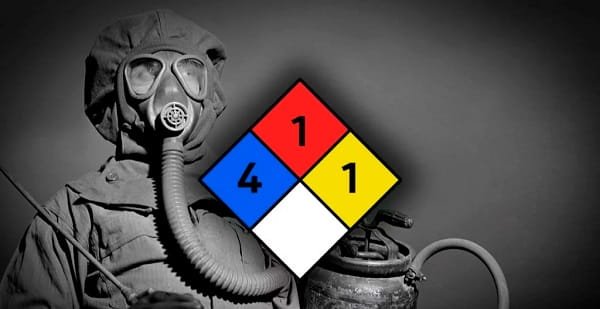
Sarin is a colourless, odourless nerve agent approximately 500 times more toxic than cyanide. It evaporates rapidly, making it extremely effective as a gas weapon. Like VX, it works by blocking acetylcholinesterase. Even tiny concentrations cause death within minutes of inhalation. Sarin was used in the Halabja chemical attack (1988) by Saddam Hussein’s forces against Kurdish civilians, killing 3,200-5,000 people. It was used in the Tokyo subway sarin attack by Aum Shinrikyo (1995), killing 13 and hospitalising nearly 1,000. It was used multiple times in the Syrian civil war. Sarin is among the most tightly controlled substances on Earth.
3. Chlorine Gas (Cl₂) (WWI Weapon — Industrial Disaster Killer)
Chlorine gas (distinct from the element chlorine) was the first chemical weapon deployed in modern warfare. At Ypres in April 1915, 168 tonnes of chlorine was released from 5,730 cylinders, creating a yellow-green cloud that killed 1,100 Allied soldiers and incapacitated 7,000. Chlorine attacks the respiratory system, reacting with mucous membranes to form hypochlorous acid. It causes pulmonary oedema (fluid in the lungs) and asphyxiation. The industrial production of chlorine for water treatment, bleaching, and chemical manufacturing creates ongoing risk — the 2020 Beirut ammonium nitrate explosion was not chlorine, but industrial chlorine tank failures have caused mass casualties in Indian, Chinese, and American chemical plants.
4. Hydrogen Cyanide (HCN) (Nazi Gas Chamber Agent — Industrial Hazard)
Hydrogen cyanide (prussic acid) is one of the fastest-acting poisons known. It inhibits cytochrome c oxidase — the enzyme at the final step of cellular respiration — effectively cutting off the cell’s ability to use oxygen. It smells of bitter almonds to those who can detect it (approximately 40% of people cannot, due to a genetic anosmia). At concentrations above 300 ppm in air, death occurs within minutes. Hydrogen cyanide was used in Nazi concentration camp gas chambers (as Zyklon B, a stabilised form). Industrially, HCN is used in mining, chemical synthesis, and fumigation — and accidental releases, including mining accidents in Romania and Hungary, have caused mass casualties.
5. Phosgene (COCl₂) (Delayed Kill Gas — Deadliest WWI Chemical Weapon)
Phosgene was responsible for approximately 80-85% of all chemical weapon fatalities in World War I — more than all other chemical weapons combined. It is the second most commonly used chemical weapon in history and remains the most industrially significant toxic gas: 80% of industrial chemicals are manufactured using phosgene chemistry. Its lethality comes from delayed action — soldiers exposed to phosgene felt initial mild irritation, improved, and felt fine for 24-48 hours before suddenly developing pulmonary oedema and dying. This delay meant soldiers stayed at their posts while their lungs were filling with fluid. Today, phosgene is produced in enormous quantities for chemical manufacturing.
6. Hydrogen Sulphide (H₂S) (Sewer Gas — Olfactory Paralysis at Lethal Doses)
Hydrogen sulphide is naturally produced by bacterial decomposition of organic matter and is a significant occupational and environmental hazard. At low concentrations, it smells strongly of rotten eggs. At concentrations above 150 ppm, it paralyses the olfactory nerve — eliminating the only warning signal before concentrations reach 500-700 ppm, which causes rapid unconsciousness and death. H₂S is the leading cause of fatalities in the oil and gas industry, in sewage treatment, and in cave systems. The Lac-Mégantic railway disaster in 2013 involved H₂S release from crude oil tanks. Volcanic vents and bubbling sulphur lakes release H₂S in concentrations that have killed hikers approaching too close in Indonesia and Japan.
7. Carbon Monoxide (CO) (Silent Killer — Most Preventable Gas Deaths)
Carbon monoxide is the most common cause of gas-related deaths in domestic environments and is responsible for approximately 50,000 emergency room visits and 430 deaths annually in the United States alone. Colourless, odourless, and tasteless, it bonds to haemoglobin approximately 200 times more readily than oxygen, progressively displacing oxygen from the blood without triggering the sensation of breathlessness. Victims typically feel drowsy and fall asleep rather than experiencing distress — making the progression to fatal CO poisoning genuinely silent. Sources include faulty heating systems, blocked flues, gas generators indoors, and car exhaust in enclosed spaces. CO detectors are the primary prevention tool.
8. Methyl Isocyanate (MIC) (Bhopal Gas Tragedy — 15,000+ Deaths)
Methyl isocyanate achieved its place in the history of industrial disasters through the Bhopal gas tragedy (December 2-3, 1984) — the worst industrial accident in history. A leak of approximately 40 tonnes of MIC from a Union Carbide pesticide plant in Bhopal, India, killed between 15,000 and 20,000 people in the immediate aftermath and has been linked to over 500,000 long-term health injuries. MIC reacts violently with water (including the moisture in lung tissue), producing heat, carbon dioxide, and toxic byproducts that destroy lung tissue. The tragedy fundamentally changed industrial safety regulation and corporate liability law internationally.
9. Fluorine Gas (F₂) (Most Reactive Gas — Destroys Biological Tissue)
Elemental fluorine is the most reactive and electronegative element in the periodic table, and in gaseous form it is extraordinarily dangerous. It reacts spontaneously with virtually every substance — including glass, metals, and biological tissue — without requiring ignition. At 25 ppm in air it causes severe respiratory tract irritation, and at higher concentrations it rapidly destroys lung tissue. Hydrofluoric acid (produced when fluorine contacts water or moisture in the lungs) additionally penetrates skin and tissue to cause systemic fluoride poisoning, calcium sequestration, and cardiac arrhythmia. Industrial production of fluorine (for aluminium smelting, uranium enrichment, and semiconductor manufacturing) requires extraordinary containment protocols.
10. Nitrogen Dioxide (NO₂) (Industrial and Urban Air Quality Killer)
Nitrogen dioxide is both an industrial hazard and a widespread urban air pollutant. In industrial settings (explosives manufacturing, nitric acid production, and grain silo fires), high concentrations of NO₂ cause pulmonary oedema with a delay of 4-24 hours — similar to phosgene. The 1978 Cleveland Grain Elevator explosion produced a toxic NO₂ cloud that killed 11 people. In urban environments, NO₂ from diesel exhaust is a major contributor to respiratory disease and premature death. The WHO estimates that long-term urban NO₂ exposure contributes to approximately 7 million premature deaths annually when combined with other particulate and gaseous air pollutants.
What Makes a Gas Dangerous?
- Immediate lethality: Sarin and HCN kill within minutes at small concentrations
- Delayed lethality: Phosgene and MIC produce a false recovery period before fatal organ damage
- Permeability: Some gases (VX vapour, phosgene) penetrate through skin as well as lungs
- Detection difficulty: Colourless, odourless gases give no sensory warning before lethal concentrations
- Environmental persistence: VX persists for weeks; CO₂ persists indefinitely; sarin breaks down within days
The most insidious dangerous gases are not those that cause immediate pain — they are those that cause no sensation until you are already beyond the threshold of survival.
Frequently Asked Questions
Q: What is the most toxic gas in the world?
A: By LD50 (lethal dose for 50% of exposed subjects), VX nerve agent is among the most toxic gases, with a percutaneous (skin absorption) LD50 of approximately 10 mg in humans. Botulinum toxin as an aerosol would technically be more toxic per weight, but it is a protein rather than a gas. Among naturally occurring gases, hydrogen cyanide and hydrogen sulphide have the lowest lethal concentrations among common industrial gases.
Q: How does a nerve agent kill?
A: Nerve agents (sarin, VX, tabun, novichok) inhibit acetylcholinesterase — the enzyme that breaks down acetylcholine after it transmits a nerve signal. Without this enzyme, nerve signals continue firing continuously: muscles stay contracted (including the heart and diaphragm), glands over-secrete (producing the characteristic salivation, urination, defecation, and tearing of nerve agent poisoning), and respiratory muscles eventually tire and fail. Treatment with atropine (which blocks acetylcholine receptors) and pralidoxime (which reactivates acetylcholinesterase if given early) can be lifesaving if administered immediately.
Q: What happened in the Bhopal gas disaster?
A: On the night of December 2-3, 1984, approximately 40 tonnes of methyl isocyanate (MIC) leaked from Tank 610 at the Union Carbide pesticide plant in Bhopal, India. Water had entered the tank (how remains disputed — accident vs. sabotage), triggering an exothermic reaction that built pressure until the tank’s emergency valve failed. The cloud of MIC and toxic byproducts settled over surrounding shanty towns. Estimates of immediate deaths range from 3,800 (Union Carbide’s figure) to 15,000-20,000 (activist and epidemiological estimates). Up to 500,000 people experienced non-fatal but serious health effects. The site remains contaminated today.
Q: Why is carbon monoxide called the “silent killer”?
A: Carbon monoxide is called the silent killer because it is completely undetectable by human senses — colourless, odourless, tasteless, and non-irritating at lethal concentrations. The first symptom is typically mild headache, which victims often attribute to fatigue or illness. As CO poisoning progresses, drowsiness increases until the victim falls asleep and cannot be roused. The lack of distress or air hunger (because the brain doesn’t detect CO as suffocating, only actual oxygen deficit triggers that sensation) means victims do not wake up and seek fresh air.
Q: Can you survive hydrogen sulphide exposure?
A: Survival depends entirely on concentration and duration. Low concentrations (below 50 ppm) cause irritation, nausea, and headache but are survivable with fresh air. At concentrations above 500 ppm, rapid loss of consciousness occurs and survival depends on immediate rescue and fresh air. The critical danger is the olfactory paralysis at 150+ ppm — people lose the warning smell precisely when they should be running. Treatment involves immediate fresh air and oxygen. Hydrogen sulphide poisoning has caused multiple multiple-fatality incidents in confined spaces (sewers, oil tanks, wine fermentation vats) when rescue workers enter without respiratory protection and are also overcome.
Disclaimer: Information provided is for educational purposes only. Always consult relevant experts, authorities, and safety guidelines before engaging with any of the subjects discussed in this article.

Brandon is the cheif editor and writer at WorldUnfolds.com. With a passion for storytelling and a keen editorial eye, he crafts engaging content that captivates and enlightens readers worldwide.